Best time to visit the Maldives

Best time to visit the Maldives

Choosing the Best Time to Visit the Maldives

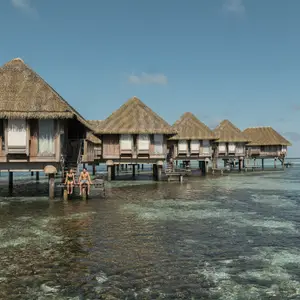
The Maldives is a tropical paradise of sunlit beaches, turquoise lagoons, and vibrant coral reefs. Warm weather lasts all year, but choosing the right time to visit can shape your experience. Whether you prefer clear seas for snorkeling, bright skies for sunbathing, or smaller crowds for a quiet getaway, timing matters. By selecting the ideal season, you can make the most of this breathtaking destination.

1 - The Maldivian climate

What is the climate like in the Maldives?

The Maldives enjoy a warm and humid tropical climate thanks to their location in the heart of the Indian Ocean. Situated 983 km from Sri Lanka and 820 km from Cochin in southern India, the Maldives archipelago experiences remarkably stable temperatures throughout the year. Temperatures range between 26°C and 31°C, with inviting waters around 28°C, ideal for swimming and diving. In Malé, the capital, the average annual temperature reaches 30°C.

Two monsoons that shape the seasons

Two monsoon periods punctuate the Maldivian seasons: the southwest and the northeast. The first unfolds from early May to late August. It brings sea breezes to the northern islands, along with cloud cover and higher humidity. Temperature-wise, the minimums hover around 26°C year-round, with maximums reaching 30°C.

The second monsoon takes place from late September to December. Showers and brief thunderstorms typically occur in the late afternoons, especially in the southern atolls, but they won't interrupt your sun-filled days. The sun returns as quickly as it disappears. These rainy seasons are natural for the archipelago, nourishing its lush and vibrant vegetation.

Discover our Club Med Resorts in the Maldives

With Exclusive Collection Space

Browse all resorts

2 - Best time to visit the Maldives based on your preferences

To savour sunshine and idyllic beaches

The best time to visit the Maldives unfolds between December and April, during the dry season. These months invite you to savour fine sandy beaches, explore underwater worlds whilst diving or simply admire the turquoise waters. Throughout this period, sunshine bathes the islands 9 hours daily and rainfall remains rare. January, February, and March reveal exceptional underwater visibility, perfect for snorkelling enthusiasts and manta ray admirers.

Is travelling during the monsoon a good idea?

The summer monsoon, from May to November, doesn't mean endless grey skies. Showers are often short-lived and arrive late in the day. If you're planning to visit the Maldives in June, July, August or September, you'll still soak up plenty of sunshine, with an average of 7 hours of bright skies daily. It's also a wonderful time for surfing, thanks to steady winds sweeping across certain northern islands. May welcomes this wetter season, bringing warm and tropical weather.

3 - What to do in the Maldives by season?

Diving, snorkeling and water activities

Diving in the Maldives can be savored year-round, but underwater visibility is finest between January and April. This period is ideal for exploring the coral reefs, admiring manta rays or drifting among vibrant fish. In summer, the water remains warm and rich with marine life, although the sea can be slightly more lively.

Kitesurfing thrills during the monsoon

Between May and August, the wind picks up beautifully for kitesurfing or windsurfing. If you're drawn to a tailor-made escape centered on water sports, this monsoon season offers unforgettable thrills on the archipelago's stunning beaches.

Cultural events not to be missed

In July, experience Independence Day, celebrated throughout the archipelago with parades, including in Malé, the capital. In September, the Lux Underwater Festival captivates diving enthusiasts and underwater technology lovers.

Our FAQ: Everything You Need to Know About Choosing the Best Time to Visit the Maldives

Discover More

Browse our destinations